
The results will be published soon in the international scientific journal Infection and Immunity.
The findings were announced in the context of World Prematurity Day, observed every November 17, which aims to raise awareness of the challenges faced by babies born too early. Globally, complications associated with prematurity remain the leading cause of neonatal mortality. In the Americas, an estimated 1.2 million premature babies are born each year, many of whom require specialized care to survive and develop healthily.
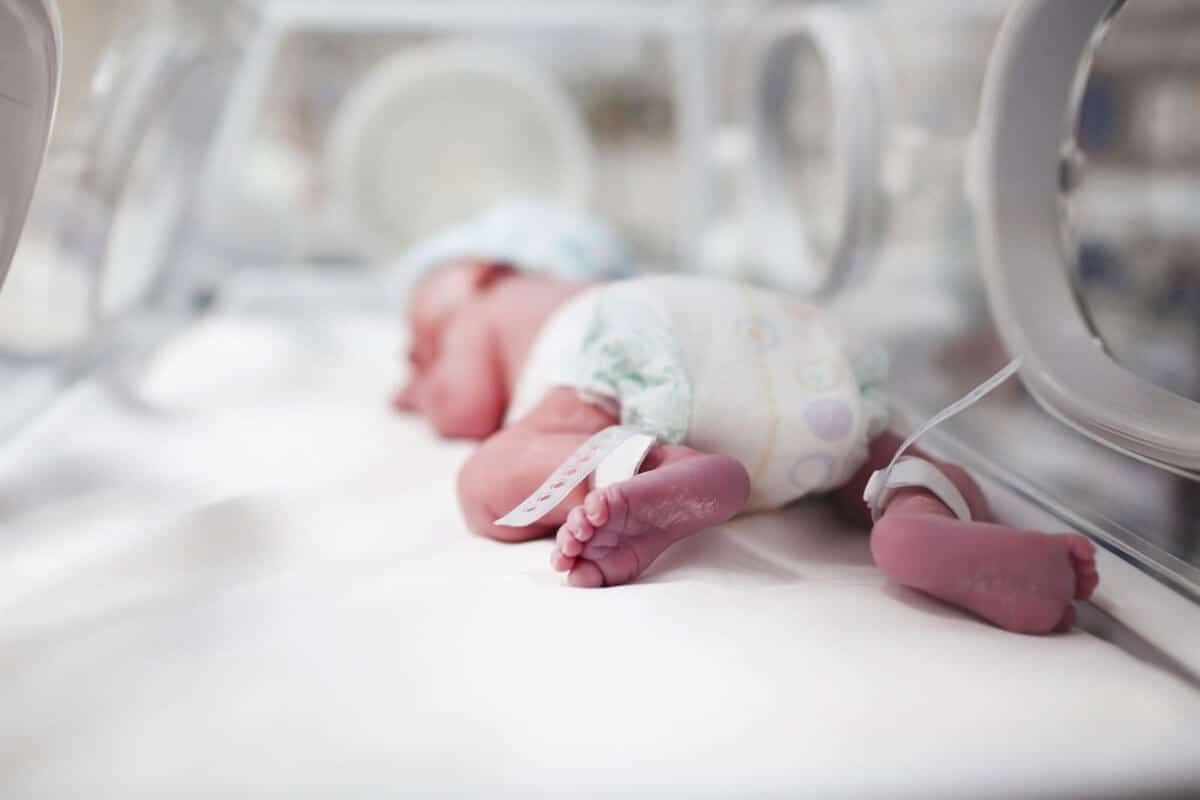
The research—led by Nadia Riera, with the participation of Josefina Vera from IP Montevideo and Catalina Vaz Ferreira and Mario Moraes from the Pereira Rossell Hospital—focused on understanding how the gut microbiota develops in a particularly vulnerable group: infants born between 24 and 35 weeks of gestation and weighing less than 1,500 grams.
The microbiota—the community of bacteria that inhabits the intestine—plays a fundamental role in multiple bodily functions, including immune system development, metabolism, and neurological maturation.
To characterize these bacterial communities, the team analyzed stool samples from 20 newborns hospitalized at Pereira Rossell Hospital using DNA sequencing techniques. The results showed that during the first days of life, the gut microbiota was dominated by species such as Klebsiella pneumoniae and Escherichia coli, bacteria that can cause serious infections, especially in hospital settings.
Over the following weeks, the researchers observed a progressive increase in microbial diversity and the emergence of bacteria considered beneficial, such as Bacteroides and Veillonella, typically associated with a more mature gut microbiota. However, the study also raised concerns about the prolonged use of antibiotics, a common treatment in premature infants to prevent or treat infections.
According to the analysis, infants who received antibiotics for more than five days showed a higher relative abundance of bacteria such as Klebsiella, E. coli, Enterobacter cloacae, and Citrobacter freundii, species often associated with prolonged hospital stays and healthcare environments. These findings suggest that postnatal antibiotic use, although often necessary, can play a decisive role in shaping early gut microbiota.
For the study’s authors, incorporating microbial health into the care of premature infants could have a positive long-term impact on their neurological, nutritional, and immunological development.