
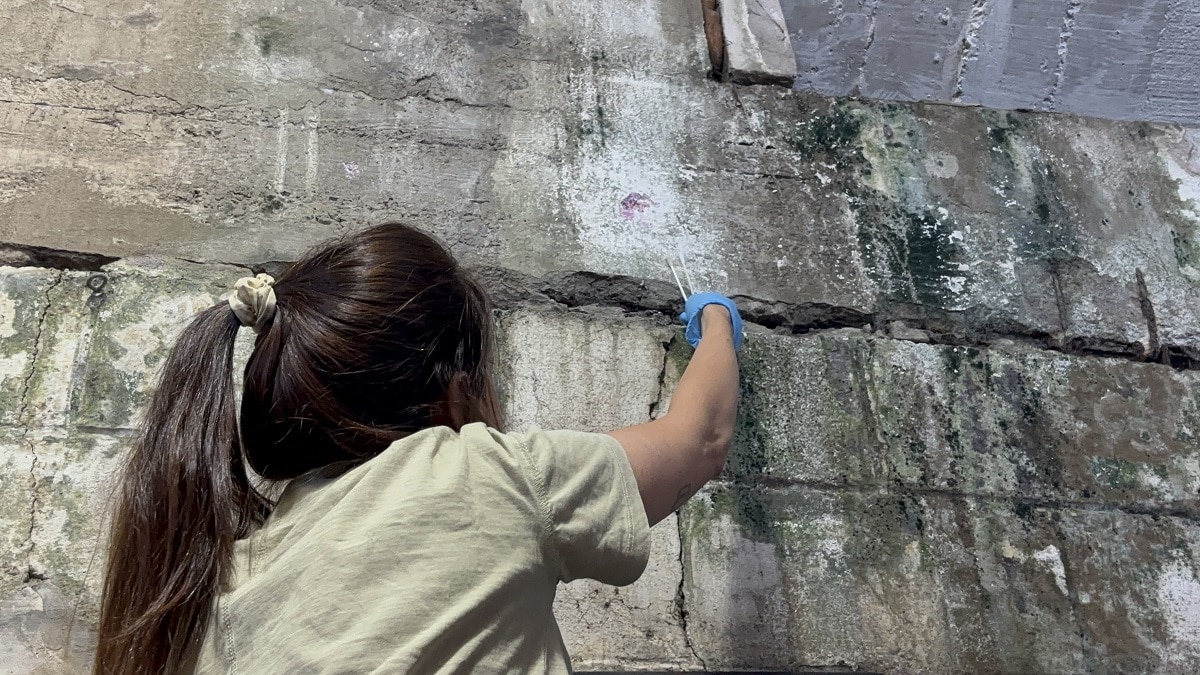
The team has already taken concrete samples from the former Anglo meatpacking plant in Fray Bentos—designated a UNESCO World Heritage Site—and from the Centenario Stadium, recognized by FIFA as a World Historic Monument of Football. Both buildings were selected for the trials with the support of the National Heritage Commission of the Ministry of Education and Culture.
The use of bacteria to repair concrete is already being researched and applied in other parts of the world. However, developing a local method is essential, since the bacteria present in concrete—highly sensitive to environmental conditions and humidity—vary by region and climate.
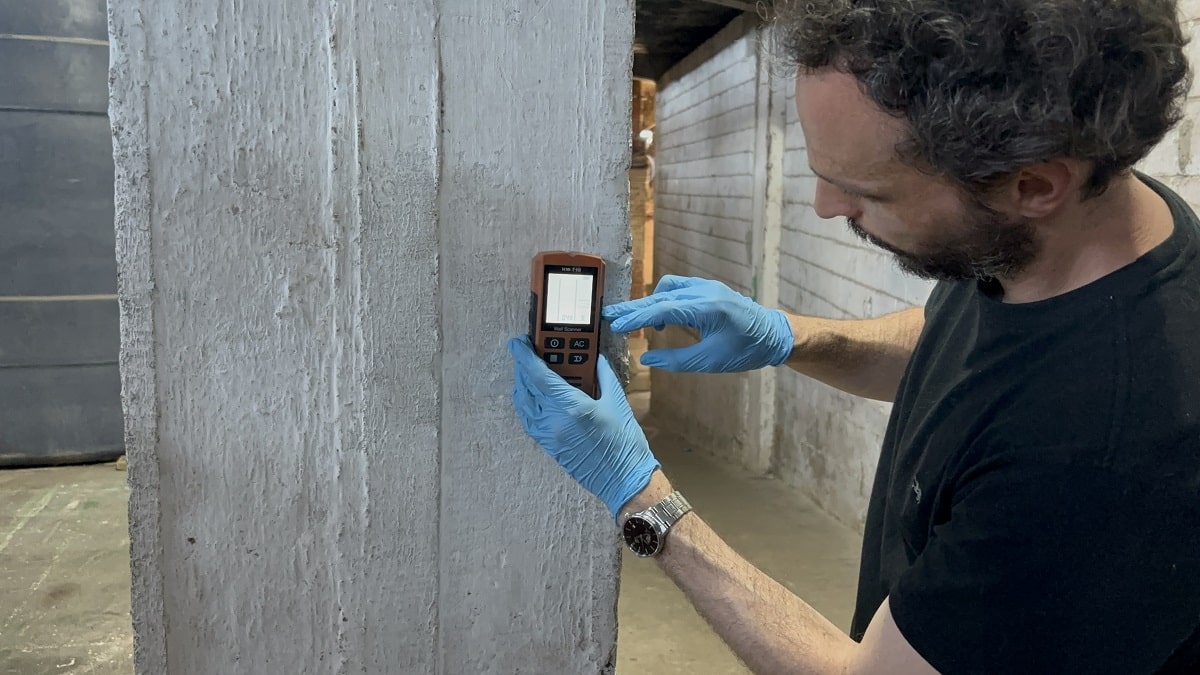
“This is a way to preserve the nation’s historic heritage in an environmentally friendly manner, using bacteria that are already present in the concrete itself and without altering the structure or the original designs of the buildings,” explained Daniela Megrian, a researcher at the Bioinformatics Unit of the Institut Pasteur de Montevideo and the project’s lead investigator. Another person involved in the initiative is engineer Jean Ducasse-Lapeyrusse, a specialist in the conservation of historic concrete in France.
Sealing concrete using bacteria could offer advantages over traditional repair methods, which often rely on chemical compounds that are not always compatible with the original materials. In many cases, this reduces the durability of repairs and can lead to new damage over time.
How can a bacterium seal a crack in concrete?
To study the bacteria present in the material, the research team swabbed concrete surfaces that had deteriorated over time and drilled small holes—no more than one centimeter deep—to collect dust from inside the concrete. From these samples, they applied genetic sequencing techniques, which make it possible to identify which bacteria are present and which genes they contain.

Analyzing these genes makes it possible to select the most suitable bacteria to produce calcite, a mineral that is one of the components of concrete. If the analysis identifies bacteria capable of generating calcite in a controlled manner, they could fill and seal the small cracks that form in the material, contributing to its repair.
The researchers have been working on this project for about a year, and it is still in its early stages. They are currently seeking funding to deepen the studies and move toward the future implementation of these solutions in the country’s historic buildings.
