
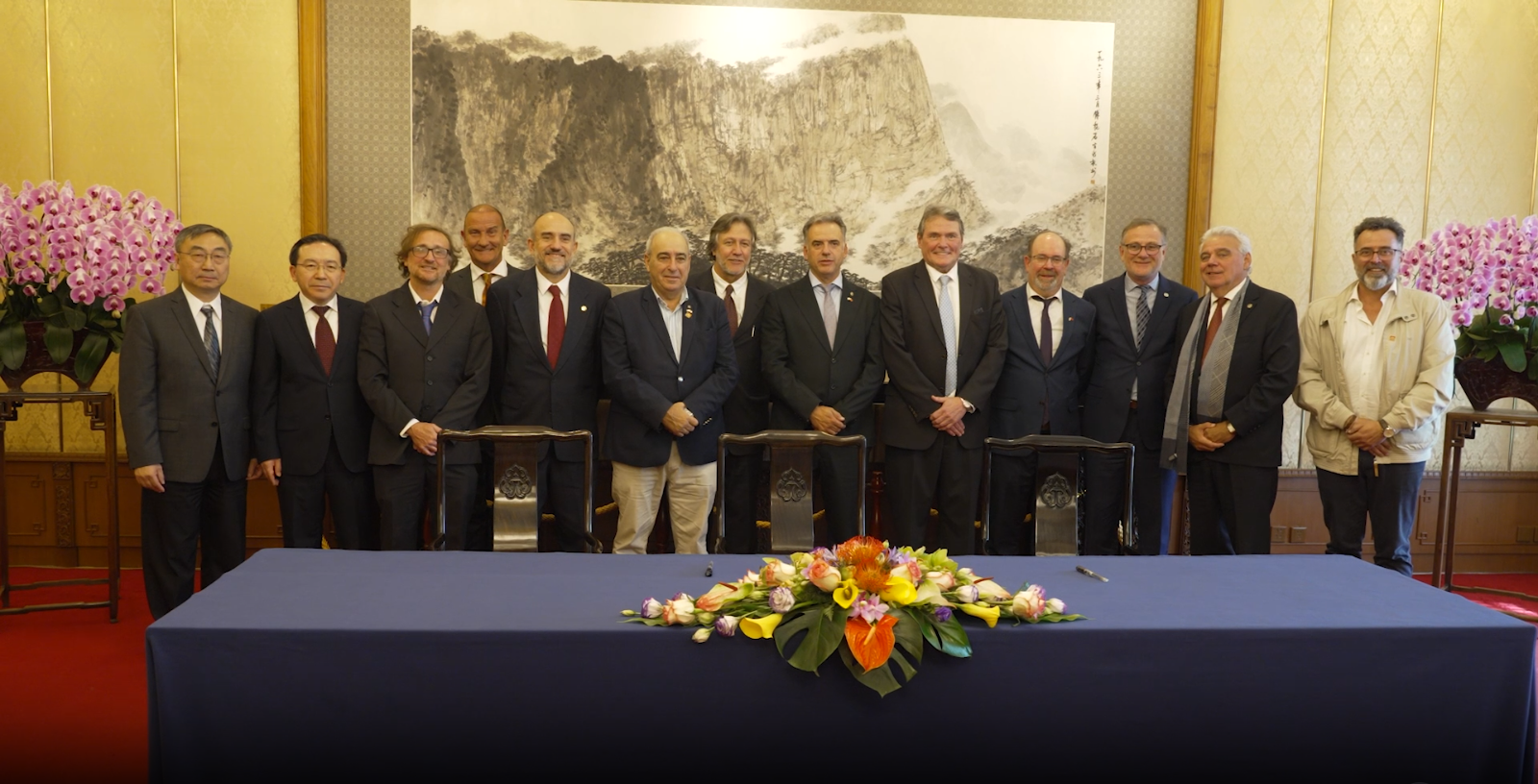
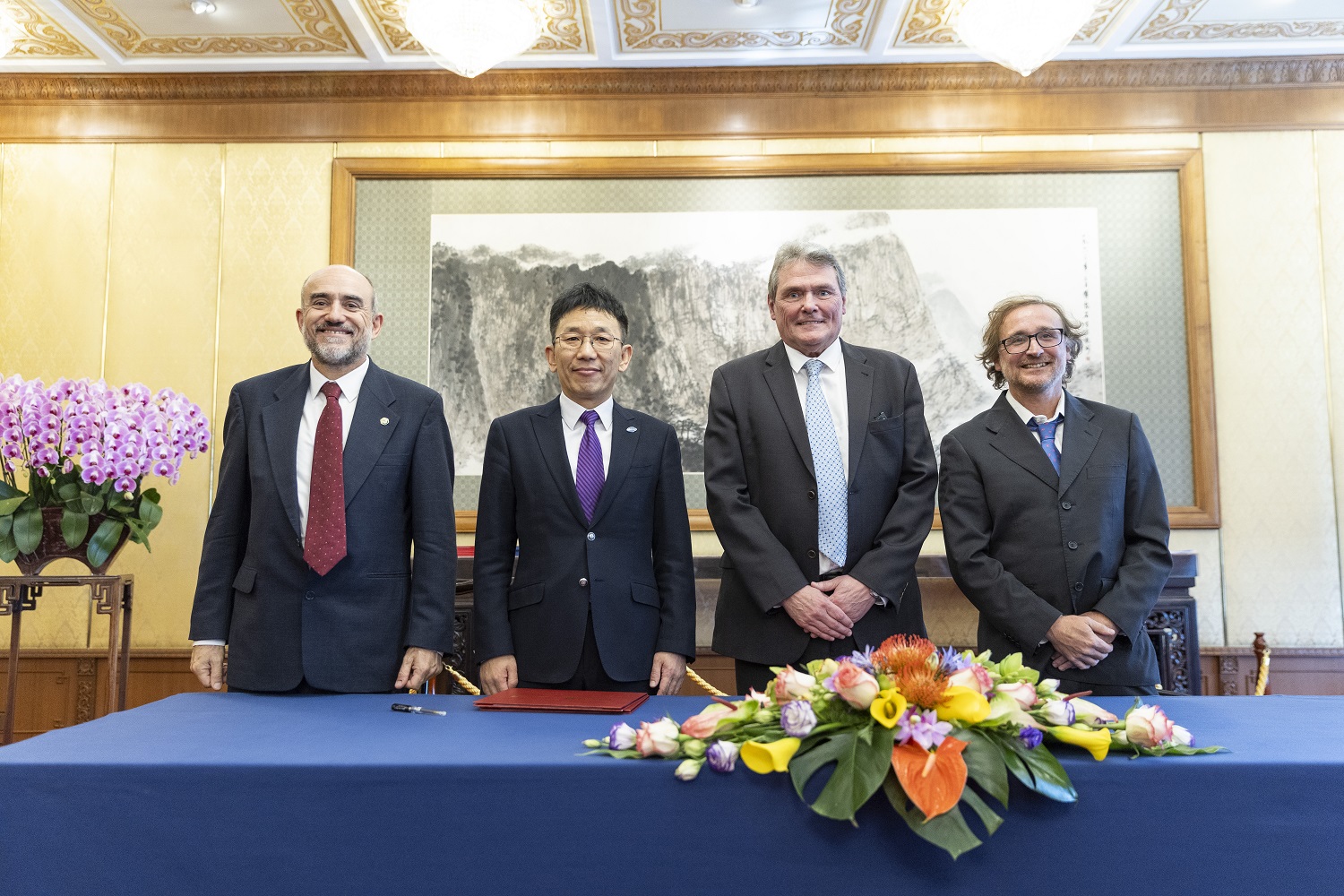
In this context, on Wednesday the 4th, Correa signed a memorandum of understanding with a Chinese biotechnology company interested in participating in the early stages of scaling up the vaccine. The agreement constitutes a letter of intent expressing the parties’ willingness to explore potential lines of collaboration related to the possible scaling of the vaccine developed by the startup.
Since November 2025, Scaffold Biotech, founded by researchers from the institute, has been carrying out a pilot program in partnership with the Ministry of Livestock, Agriculture and Fisheries (MGAP) to evaluate the performance of its vaccine under large-scale field conditions.

The first phase of the vaccine trial has now been completed, involving the inoculation and monitoring of approximately 3,000 cows, along with a control group of another 1,000, across 10 farms in seven departments of the country. Through May, the scientific team will continue monitoring the vaccinated cattle and progressively analyzing the data collected.
Preliminary results are expected to be available mid-year. So far, within the framework of this pilot program, no adverse reactions or side effects have been observed in the vaccinated cattle. However, the researchers emphasize that all planned stages must be completed and the results analyzed as a whole before drawing conclusions about the vaccine’s effectiveness.
