
The study was published in the April issue of the Journal of Virological Methods and is now available online.
Bovine leukosis may show no symptoms for years, yet it still affects animals’ immune systems, making them more prone to other diseases, reducing milk production, and complicating international cattle trade.
Until now, diagnosis has relied mainly on imported tests that mostly require blood samples and detect antibodies against only one part of the virus. In addition, their high cost limits widespread use, making it difficult to accurately determine how many animals are infected and to implement control measures.
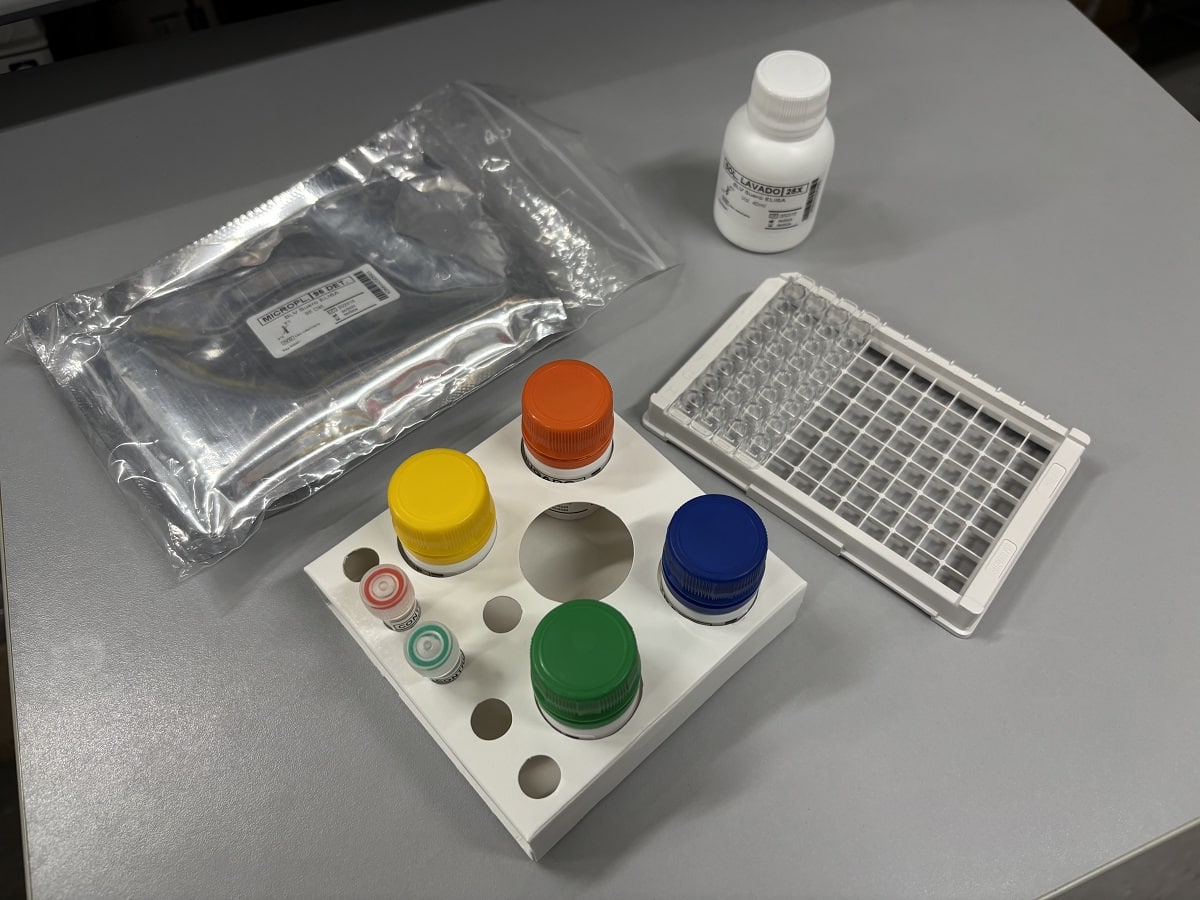
The main innovation of the new tests is that the production of viral components has been optimized; they detect more components of the virus — increasing accuracy and improving identification of infected animals — and they allow detection in both blood and milk samples.
“This work is the result of research that our group has been conducting for many years, with the participation of scientists from various institutions. Multiple stakeholders from the agricultural, productive, scientific, and biotechnology sectors agree on the need to implement a National Bovine Leukosis Control Program. In that regard, we trust that this tool will be valuable in facilitating the identification of infected animals and supporting the design and implementation of such a program. In fact, a pilot disease control plan is currently underway in which this diagnostic kit is being used,” the study’s researchers stated.
Trials and Results
To test the new methodology, the researchers evaluated more than 3,000 blood and milk samples from dairy farms in different regions of the country.
The results showed that the test detects antibodies as reliably as the standard commercial reference kits, and the version that allows milk samples to be analyzed made diagnosis easier, without the need for blood collection and with high accuracy.
The possibility of using cow’s milk as a sample is a major advantage because it reduces animal stress, simplifies sampling logistics, and can lower the cost of monitoring and disease control programs. The introduction of these new diagnostic tests could have a significant positive impact on Uruguay’s and the region’s dairy sector by providing more effective and affordable control strategies against this disease, thereby improving animal health and strengthening the competitiveness of the dairy industry.
Article:
Addiego A, Carrión F, Olivero-Deibe N, Fló M, Rammauro F, Ibañez N, da Silva Silveira C, Riet-Correa F, Tomé-Poderti L, Pritsch O, Bianchi S. Development of Sensitive and Specific Indirect ELISA Tests for the Detection of Antibodies Against Bovine Leukemia Virus in Serum and Milk Samples. J Virol Methods. 2025 Dec 23:115335. doi: 10.1016/j.jviromet.2025.115335. Epub ahead of print. PMID: 41448254.
