ProTeMCA
The Molecular, Cellular and Animal Technology Program (ProTeMCA) has as mission to integrate the knowledge and technological capabilities of different groups of the Institut Pasteur of Montevideo to promote the development of research and innovative technology in the area of genetic engineering, bioassays and models based in proteins, cells or animals.
Stressing the link of scientific knowledge with its application, through dynamic interaction with academia and industry, the program seeks to contribute to solve problems in biotechnology using new tools, products, processes or services. It also collaborates with research groups or private institutions to develop molecular technologies that help the improvement of (bio) drugs, cells or animals.
Within the IP Montevideo, the program involves the joint work of the Redox Biology of Trypanosomatids Laboratory, theBiomolecular Simulations Laboratory, the Biotechnology in Laboratory Animals Unit and the Cell Biology Unit.
Members
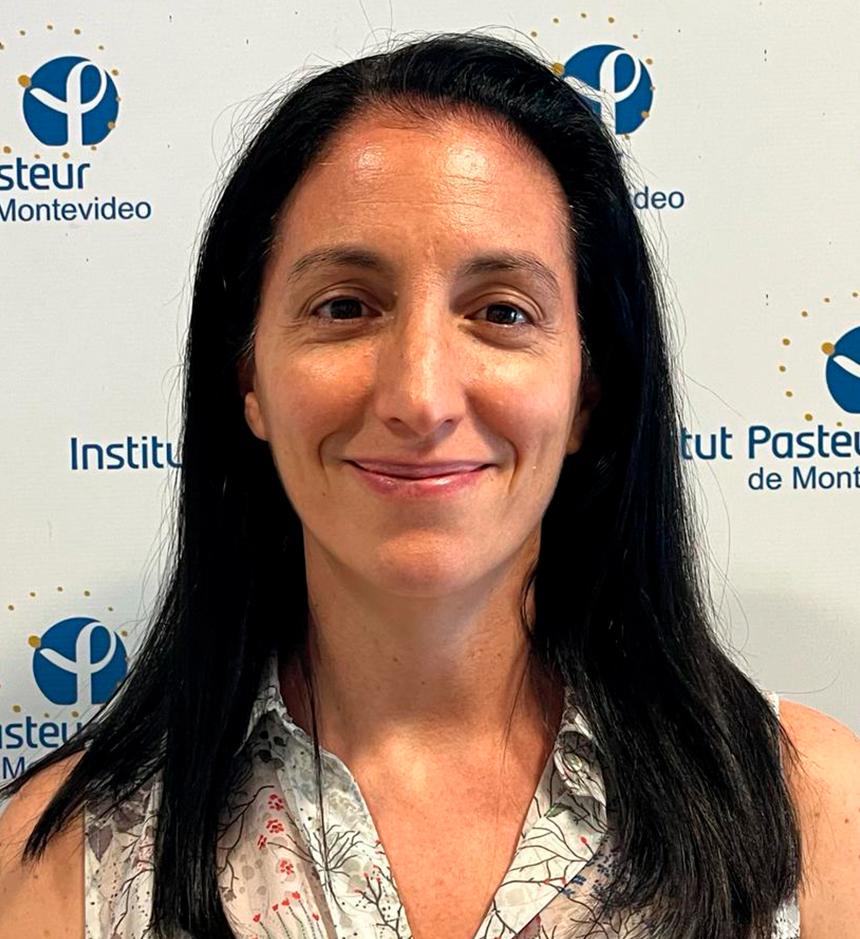
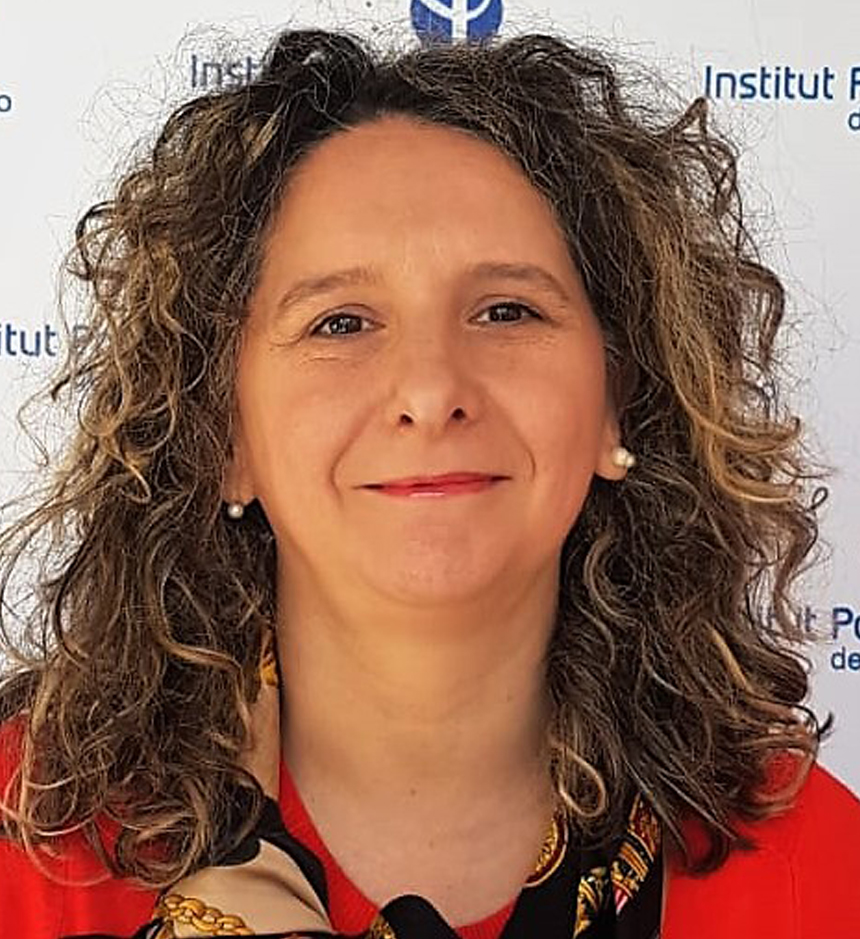
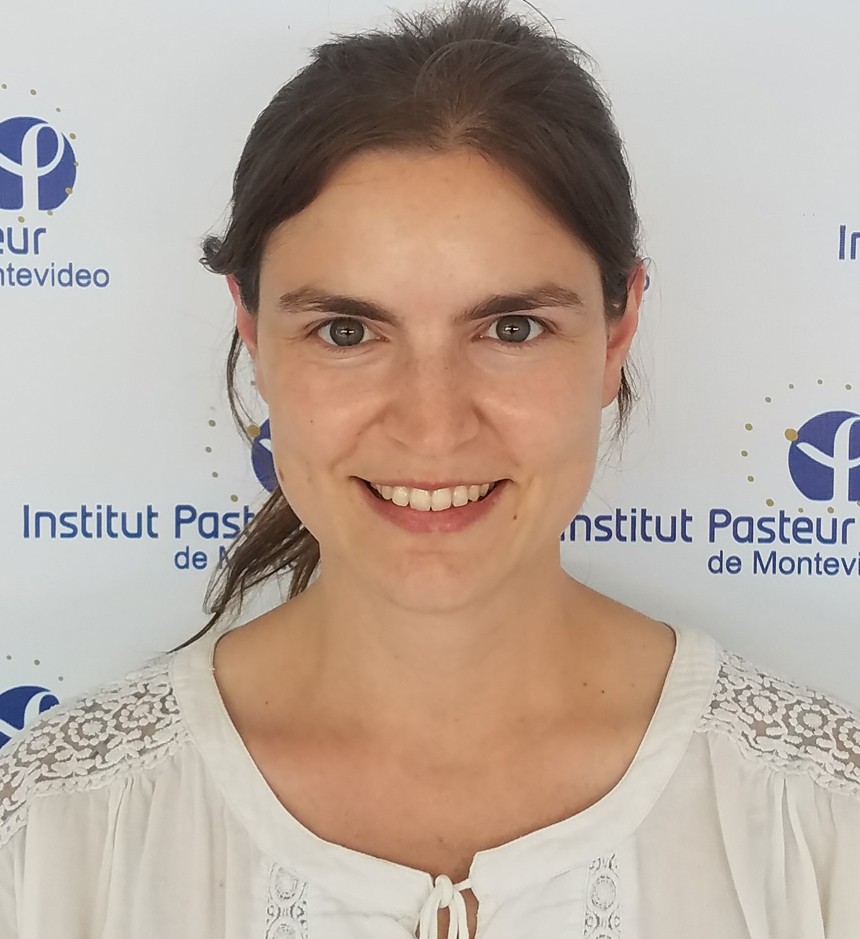
Lucía Bassetti, BSc

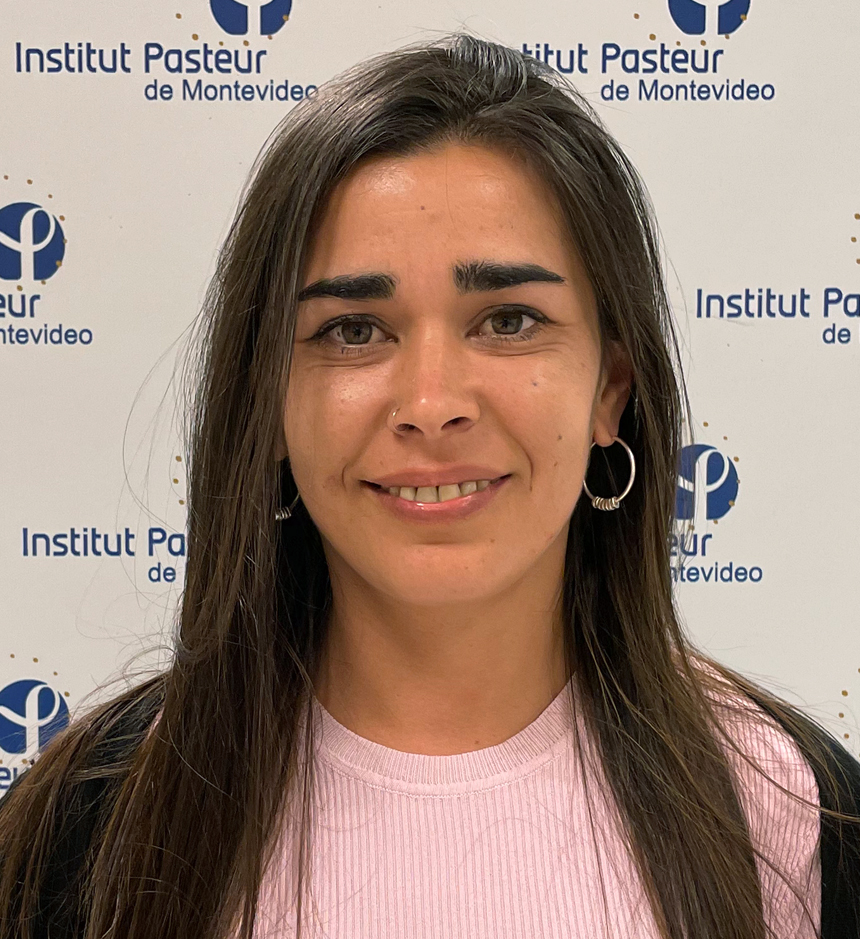
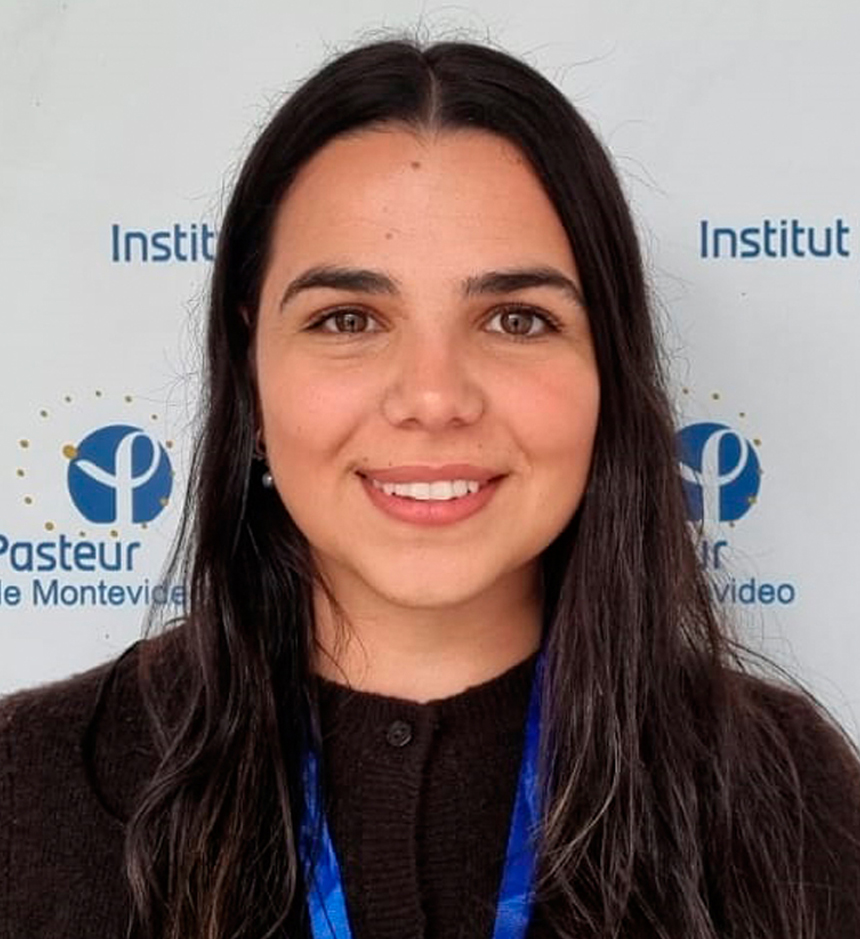


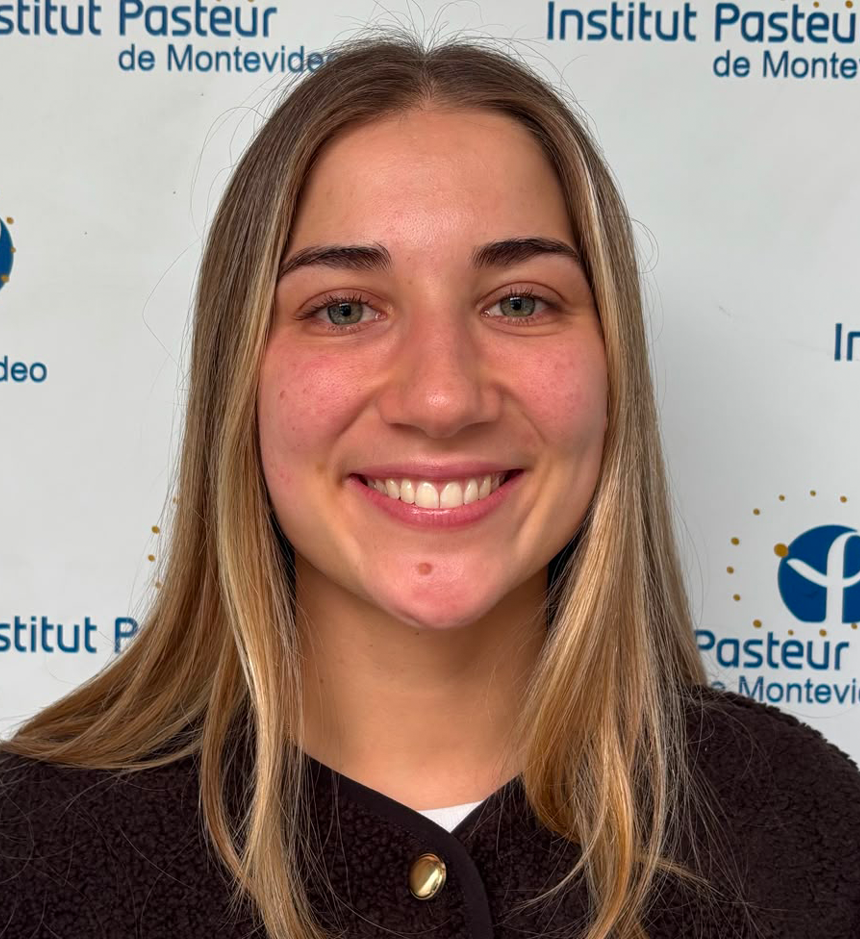
FOUNDING MEMBERS
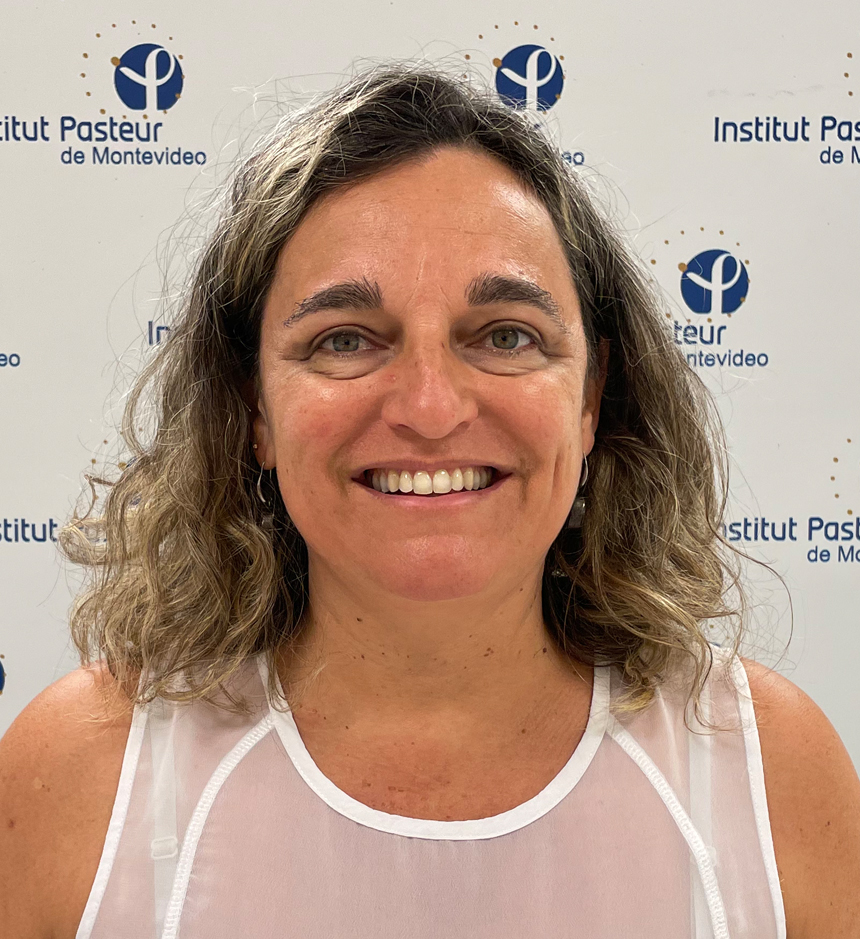
Mariela Bollati, PhD
Cell Biology Unit
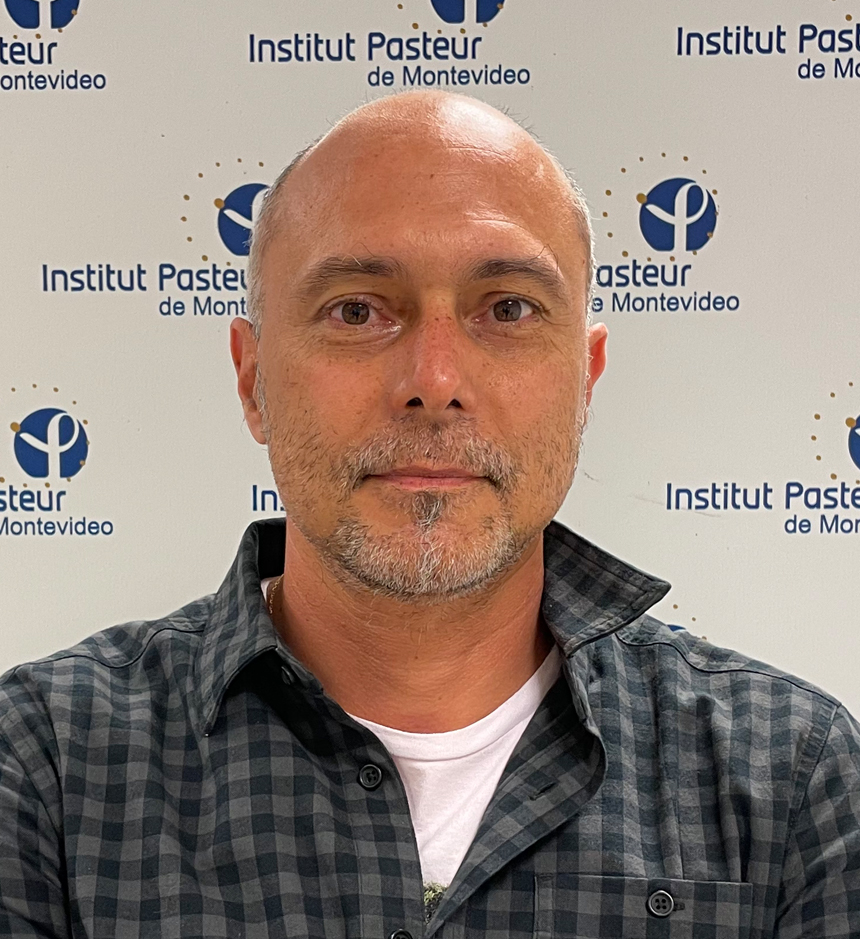
Marcelo Comini, PhD
Redox Biology of Trypanosomatids Laboratory
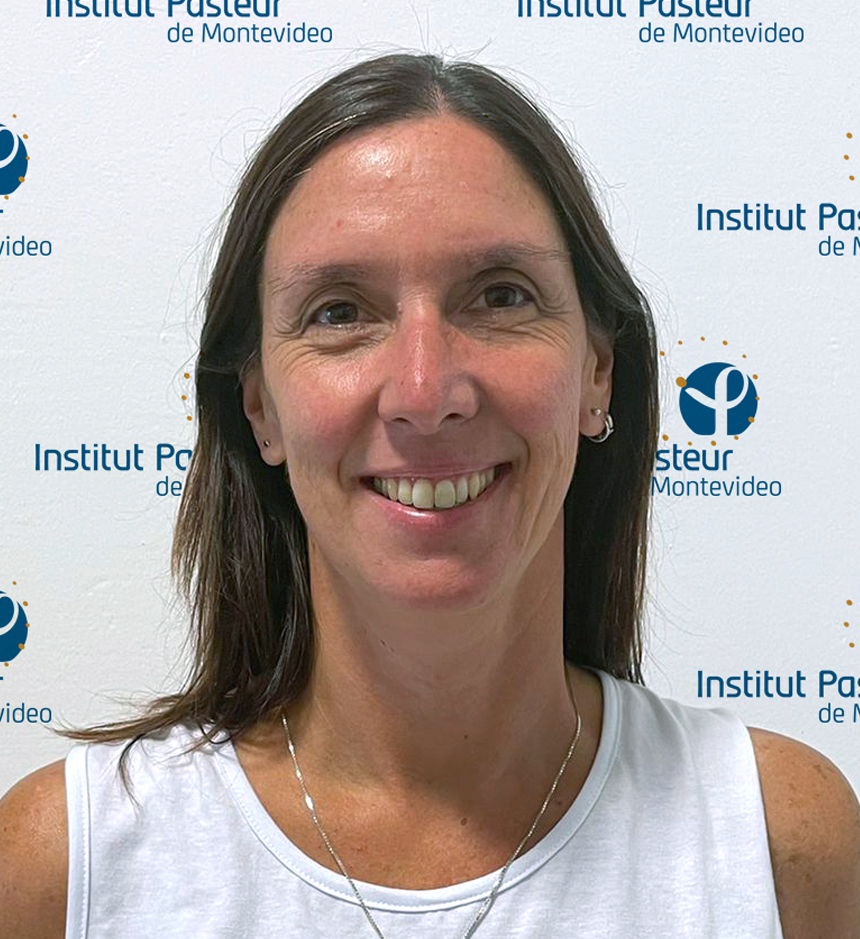
DVM Martina Crispo, PhD
Biotechnology in Laboratory Animals Unit
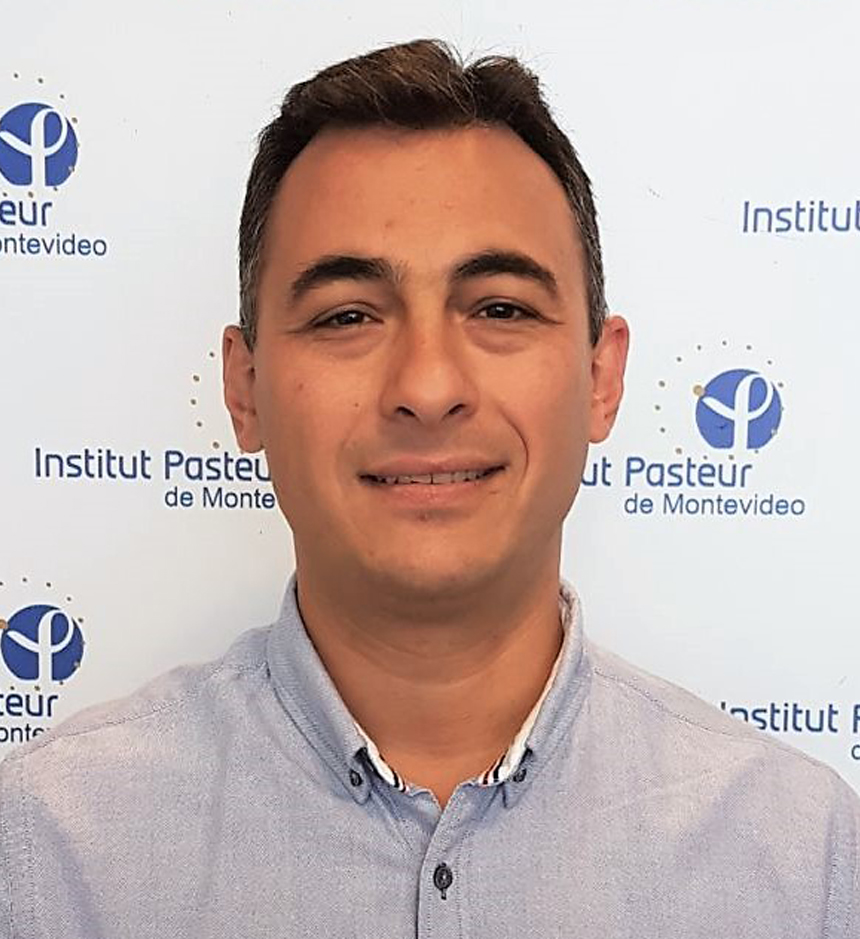
Sergio Pantano, PhD
Biomolecular Simulations Laboratory
Research lines
Design and refinement of products of biotechnological interest.
Development of new high performance cellular assays.
Cell or animal models for toxicological studies and diseases.
Courses
- “XTREME- Bruker in vivo imaging technology”. February 2017, Montevideo.
- “ICGEB Course: Cell and animal models for drug discovery”. October 2017, Montevideo.
- “Alternatives methods to animal research”. May 2018, Montevideo.
- “Workshop and Training Course on Molecular, Physical and Computational Virology”. October-November 2024, Montevideo.
- “Applications and Good Practices in the Use of Cell Cultures”. 2025-2026, Montevideo.
Projects
2026-… – Thermostable Viral Particle–Mediated RNA Delivery. Inspire, Institut Pasteur de Montevideo. Principal Investigator: Claudia Ortega.
2025-2026 – PDIA1 and PDIA3 disulfide isomerase proteins: a study of their role in the entry of the bovine leukemia virus into cells. – Proyecto Transversal, Institut Pasteur de Montevideo. Principal Investigators: Cecilia Abreu, Natalia Olivero-Deibe, Azalia Rodríguez.
2024-2026 – Mammalian Cell Platform for Porcine Circovirus 2 : A new adaptable vaccine prototype. María Viñas Fund. National Agency for Research and Innovation (ANII). Principal Investigator: Claudia Ortega, Co-Investigator: Sergio Pantano.
2019-2021 – Generation of extracts rich in polyphenols from grape pomace. Alliance for Innovation- Technological Development Modality. ANII ALI_2_2018_1_149574. Collaborators: Mariela Bollati and Marcelo Comini.
2019- 2021 – New molecular tools for the reduction of production costs of bioactive molecules (FMV_3_2018 _l_148443, ANII). Head: Cecilia Abreu
2016-2019 – Design and production of new variants of the follicle stimulating hormone (FSH) for its use in species of productive interest – National Agency for Research and Innovation, ANII (ALI_1_2015_1_5084). Principal Investigator: Mariela Bollati-Fogolin.
2015-2018 – Design of biosensors for simultaneous monitoring of redox signaling and cAMP: from the computer to the cell and back to the computer – National Agency for Research and Innovation, Project FMV_1_2014_1_104000. Main investigator: Sergio Pantano.
Main publications
vacio
2026
- Bassetti L, Crispo M, Bollati-Fogolín M, Pantano S, Comini MA, Abreu C. Exploring elastin-like polypeptide tags and mini-intein for recombinant protein purification in Leishmania tarentolae. Protein Expr Purif. 2026 Feb 19:241:106902. doi: 10.1016/j.pep.2026.106902.
- Fadel F, Paradeda G and Ortega C. Production and Characterization of Porcine Circovirus Type 2 (PCV2) Virus-Like Particles: Methodological Approaches and Biotechnological Application. Virus-Like Particles: Methods and Protocols. Methods in Molecular Biology, Springer Nature. 2026 In press.
2025
- Cancela S, Sena F, Pagotto R, Crispo M, Francia ME, Bollati-Fogolín M. Enhancing pre-sexual and sexual differentiation of Toxoplasma gondii using retinal epithelial cells and intestinal organoids. Cell Rep. 2025 Oct 28;44(10):116451. doi: 10.1016/j.celrep.2025.116451. Epub 2025 Oct 17.
- Piattoni CV, Abreu C, Machado MR, Pantano S, Comini MA, Bollati-Fogolín M. . A red-shifted biosensor for intracellular detection of cAMP: the CUTieR the better. Biochem Biophys Res Commun. 2025 ;766:151831. doi: 10.1016/j.bbrc.2025.151831.
- Olivero-Deibe N, Frigini EN, Ramos N, Carrión F, Fadel F, Villarreal L, Benech JC, Arbiza J, Pantano S, Ortega C.. The stability of PCV2 virus-like particles from mammalian cells and challenges for biotechnological applications. Vaccine. 2025 Jan 12;44:126549. doi: 10.1016/j.vaccine.2024.126549.
2024
- Abreu C, Grunberg K, Bonilla M, Crispo M, Pantano S, Jaeschke J, Comini MA, Bollati-Fogolín M.. Expression and functional characterization of chimeric recombinant bovine follicle-stimulating hormone produced in Leishmania tarentolae. Microb Biotechnol. 2024 Apr;17(4):e14444. doi: 10.1111/1751-7915.14444.
2023
- Gonzalez AC, Abreu C, Pantano S, Comini M, Malacrida L, Egger B, Cantera R, Prieto D. A FRET-based cGMP biosensor in Drosophila. MicroPubl Biol . 2023 Nov 28:2023:10.17912/micropub.biology.000887. doi: 10.17912/micropub.biology.000887. eCollection 2023.
- Abreu C, Ortega C, Olivero-Deibe N, Carrión F, Gaete-Argel A, Valiente-Echeverría F, Soto-Rifo R, Milan Bonotto R, Marcello A, Pantano S.. Customizably designed multibodies neutralize SARS-CoV-2 in a variant-insensitive manner. Front Immunol. 2023 Aug 10:14:1226880. doi: 10.3389/fimmu.2023.1226880. eCollection 2023.
2022
- Klein F, Abreu C, Pantano S. How to Make the CUTiest Sensor in Three Simple Steps for Computational Pedestrians. Methods Mol Biol. 2022:2483:255-264. doi: 10.1007/978-1-0716-2245-2_16
- Perelmuter, K., Tiscornia, I., Comini, M. A., & Bollati-Fogolín, M. (2022). Generation and Characterization of Stable Redox-Reporter Mammalian Cell Lines of Biotechnological Relevance. Sensors (Basel, Switzerland), 22(4), 1324. https://doi.org/10.3390/s22041324
2021
- Arévalo A.P., Pagotto R., Pórfido J. L., Daghero H., Segovia M., Yamasaki K., Varela, Hill M., Verdes J. M., Duhalde Vega M., Bollati-Fogolín M. & Crispo M. (2021). Ivermectin reduces in vivo coronavirus infection in a mouse experimental model. Sci Rep 11, 7132. https://doi.org/10.1038/s41598-021-86679-0
- Klein F, Sardi F, Machado MR, Ortega C, Comini MA, Pantano S. CUTie2: The Attack of the Cyclic Nucleotide Sensor Clones. Front Mol Biosci. 2021 Mar 11;8:629773. doi: 10.3389/fmolb.2021.629773. PMID: 33778003; PMCID: PMC7991088.
2020
- Parakh S, Shadfar S, Perri ER, Ragagnin AMG, Piattoni CV, Fogolín MB, Yuan KC, Shahheydari H, Don EK, Thomas CJ, Hong Y, Comini MA, Laird AS, Spencer DM, Atkin JD. (2020). The Redox Activity of Protein Disulfide Isomerase Inhibits ALS Phenotypes in Cellular and Zebrafish Models. iScience; 23(5):101097. doi: 10.1016/j.isci.2020.101097.
- Medeiros A, Benítez D, Korn RS, Ferreira VC, Barrera E, Carrión F, Pritsch O, Pantano S, Kunick C, de Oliveira CI, Orban OCF, Comini MA. Mechanistic and biological characterisation of novel N5-substituted paullones targeting the biosynthesis of trypanothione in Leishmania. J Enzyme Inhib Med Chem. 2020 Dec;35(1):1345-1358. doi: 10.1080/14756366.2020.1780227. PMID: 32588679; PMCID: PMC7717452
2019
- Piattoni CV, Sardi F, Klein F, Pantano S, Bollati-Fogolin M, Comini M. New red-shifted fluorescent biosensor for monitoring intracellular redox changes. Free Radic Biol Med. 2019 Feb 5;134:545-554