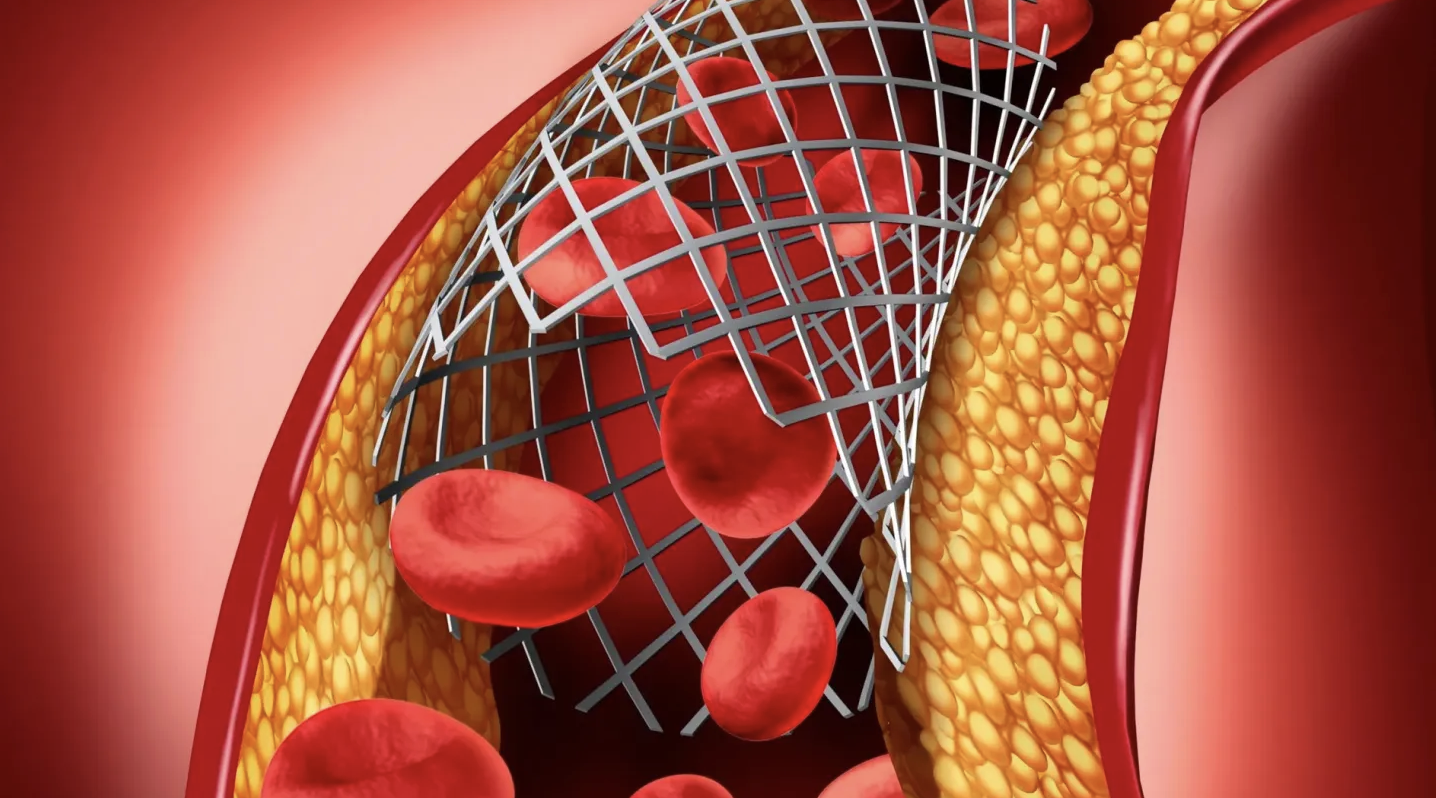
In Argentina, Merlo worked on the design and characterization of an iron-based biodegradable alloy that could be used to manufacture stents—the small metal mesh tubes inserted into blocked blood vessels to keep them open and improve blood flow.
Building on this, and with the aim of reducing the body’s reaction when in contact with the new biomaterial, the researcher also combined the alloy with an anti-inflammatory drug developed as part of the work of the LPME, led by Carlos Escande.
In action
To evaluate how this biomaterial behaves in living tissue, the researcher spent several weeks at the institute working with the LPME, conducting tests on endothelial cells—the cells that line the interior of blood vessels. These tests are a key step in assessing the material’s safety and its potential therapeutic use.
During her stay, Merlo, together with LPME researcher Santiago Ruiz, analyzed how these cells adhere to, survive on, and respond when in contact with the biodegradable alloy.
These studies showed promising preliminary results, with a favorable cellular response to the material. This could represent an advantage over currently used stents, which are permanent and can lead to chronic inflammation and long-term complications.
The work carried out at the LPME builds on the laboratory’s expertise in vascular biology and related diseases—including conditions involving blood vessel malformations such as hereditary hemorrhagic telangiectasia (HHT), as well as vascular alterations associated with metabolic diseases like atherosclerosis, diabetes, and obesity—and lays the groundwork for future studies in animals.
The ultimate goal is to contribute to the development of stents that perform their function and then safely degrade, reducing risks and improving patient recovery.
Merlo’s research stay at the Institut Pasteur de Montevideo was made possible thanks to a UNU-Biolac fellowship, representing a strong example of scientific collaboration in Latin America. In 2024, Merlo received the L’Oréal–UNESCO For Women in Science Award (Argentina edition) for this research.
